

Join our loyal community investing in faith freedom for ALL!
Happening Now

Our Work
As the only national faith-based group solely focused on protecting religious freedom for all, we file briefs in pivotal Supreme Court cases, advocate for and against legislation, testify in Congress and unite with others across faiths to ensure that every American has — and always will have — the right to follow spiritual beliefs.


Who We Are
ABOUT BJC
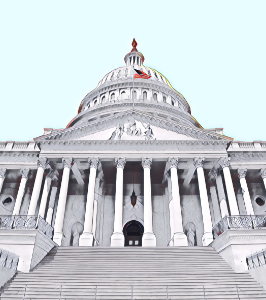
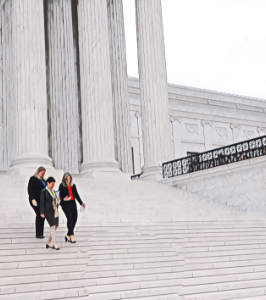
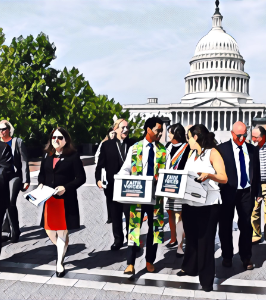
We are attorneys, Capitol Hill insiders, ministers and scholars who work in the courts, with Congress and in the community to defend the First Amendment’s guarantee of religious freedom for every person, including those who don’t claim a faith tradition.
BAPTIST ROOTS
As Baptists, we claim a long legacy of women and men who have risked their lives to advocate bravely for the right to follow one’s faith freely.
WHAT WE DO
Our work centers around the constitutional principle that to best protect religious liberty, government must not interfere with matters of faith.
OUR INCLUSIVE NETWORK
From our beginning in 1936, BJC has continued to build unity among a wide diversity of groups, both religious and secular, to advocate for freedom of religion for all.
Who We Are
ABOUT BJC
We are attorneys, Capitol Hill insiders, ministers and scholars who work in the courts, with Congress and in the community to defend the First Amendment’s guarantee of religious freedom for every person, including those who don’t claim a faith tradition.
As Baptists, we claim a long legacy of women and men who have risked their lives to advocate bravely for the right to follow one’s faith freely.
Our work centers around the constitutional principle that to best protect religious liberty, government must not interfere with matters of faith.
From our beginning in 1936, BJC has continued to build unity among a wide diversity of groups, both religious and secular, to advocate for freedom of religion for all.
BAPTIST ROOTS
WHAT WE DO
OUR INCLUSIVE NETWORK
Take Action
You Can Make a Difference
Explore tools, trainings and resources for powerful advocacy. Participate in workshops and programs in D.C. or in your community.
Join Us
Get alerts to take action with the BJC Advocacy Team. Share, post and start conversations about #FaithFreedomForAll.