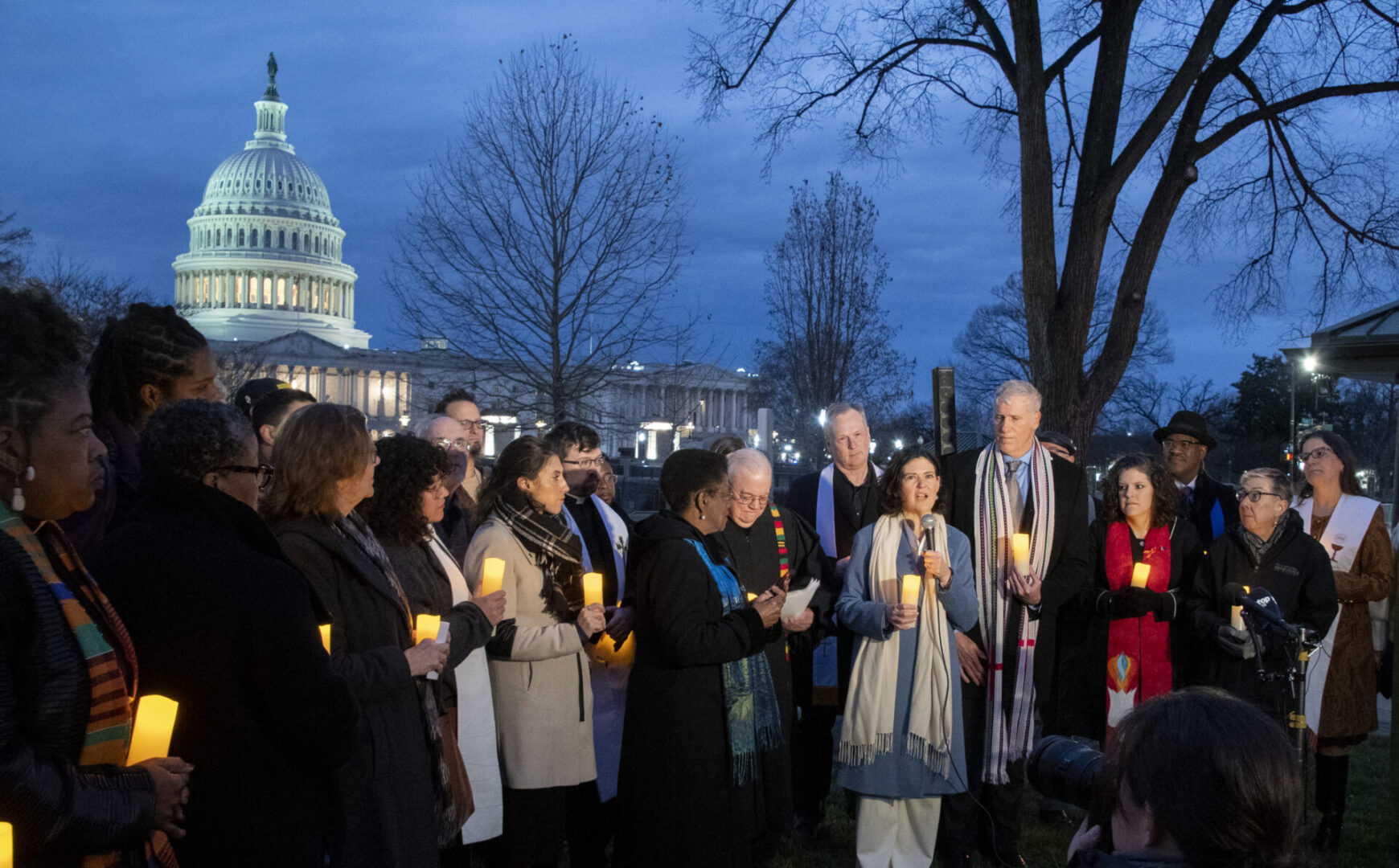
Expanding understandings of religious freedom
BJC Center for Faith, Justice and Reconciliation.
Public discourse on religious freedom has been exclusive for too long.
The BJC Center for Faith, Justice and Reconciliation broadens that conversation by engaging leaders, students, and communities in deeper theological, historical, and civic reflection.

BJC Center for Faith, Justice & Reconciliation
Forming Leaders for Faithful Public Witness
Through programs, curriculum, and events, we cultivate leaders committed to justice and reconciliation.
-

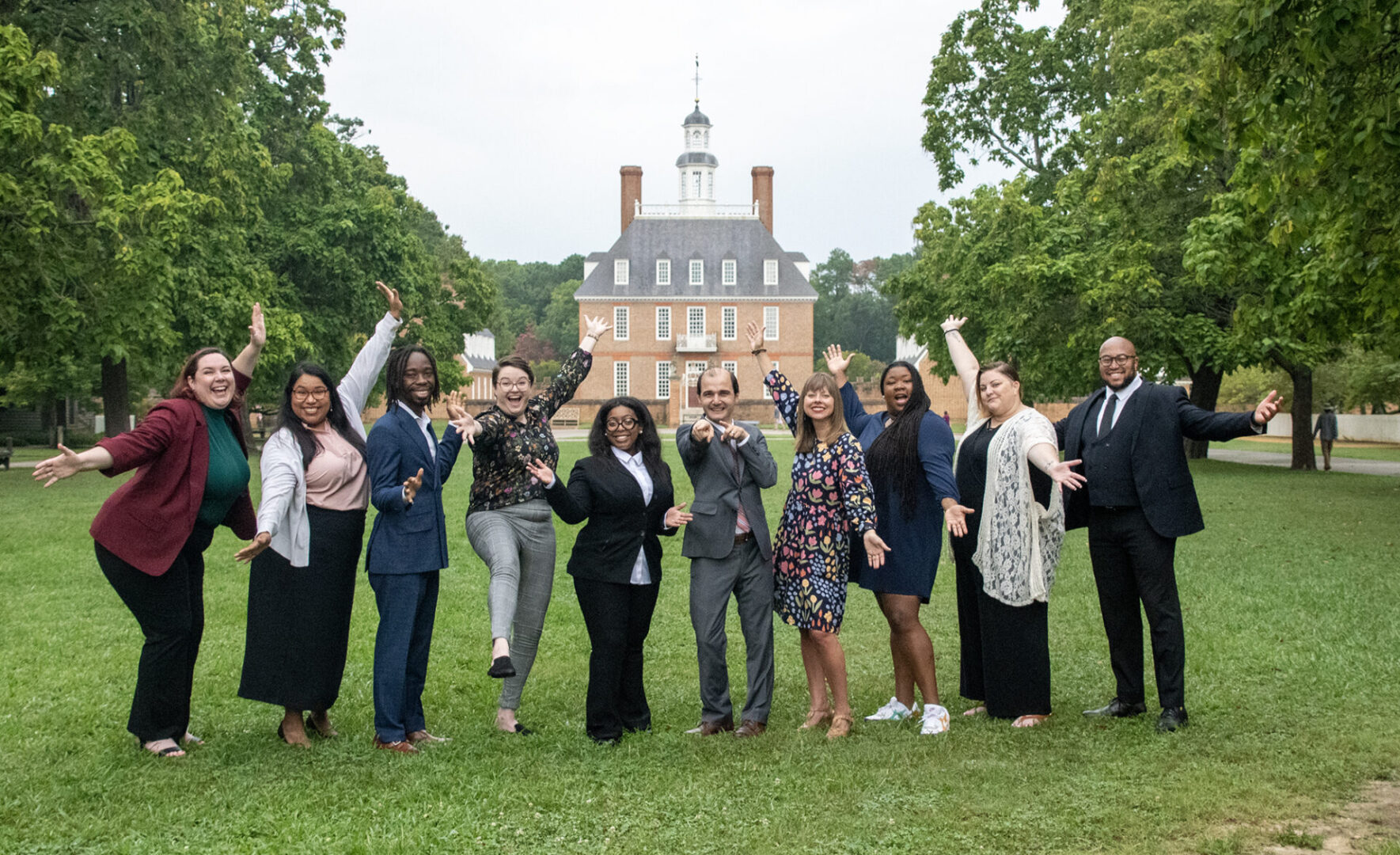
BJC Fellows Program
An immersive leadership program equipping young adults to advocate for religious freedom and justice.
-
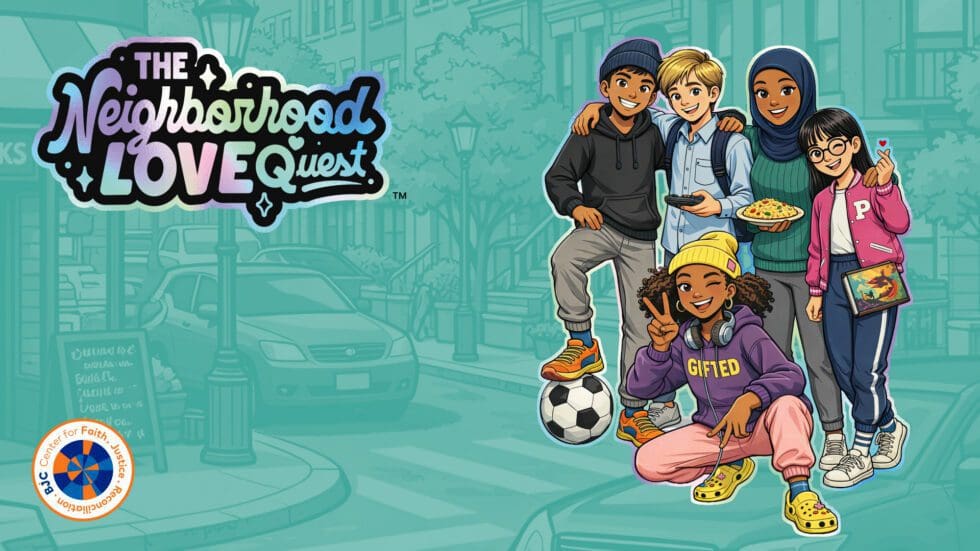
Neighborhood Love Quest Curriculum
A curriculum series helping congregations address Christian nationalism through love of neighbor.
-
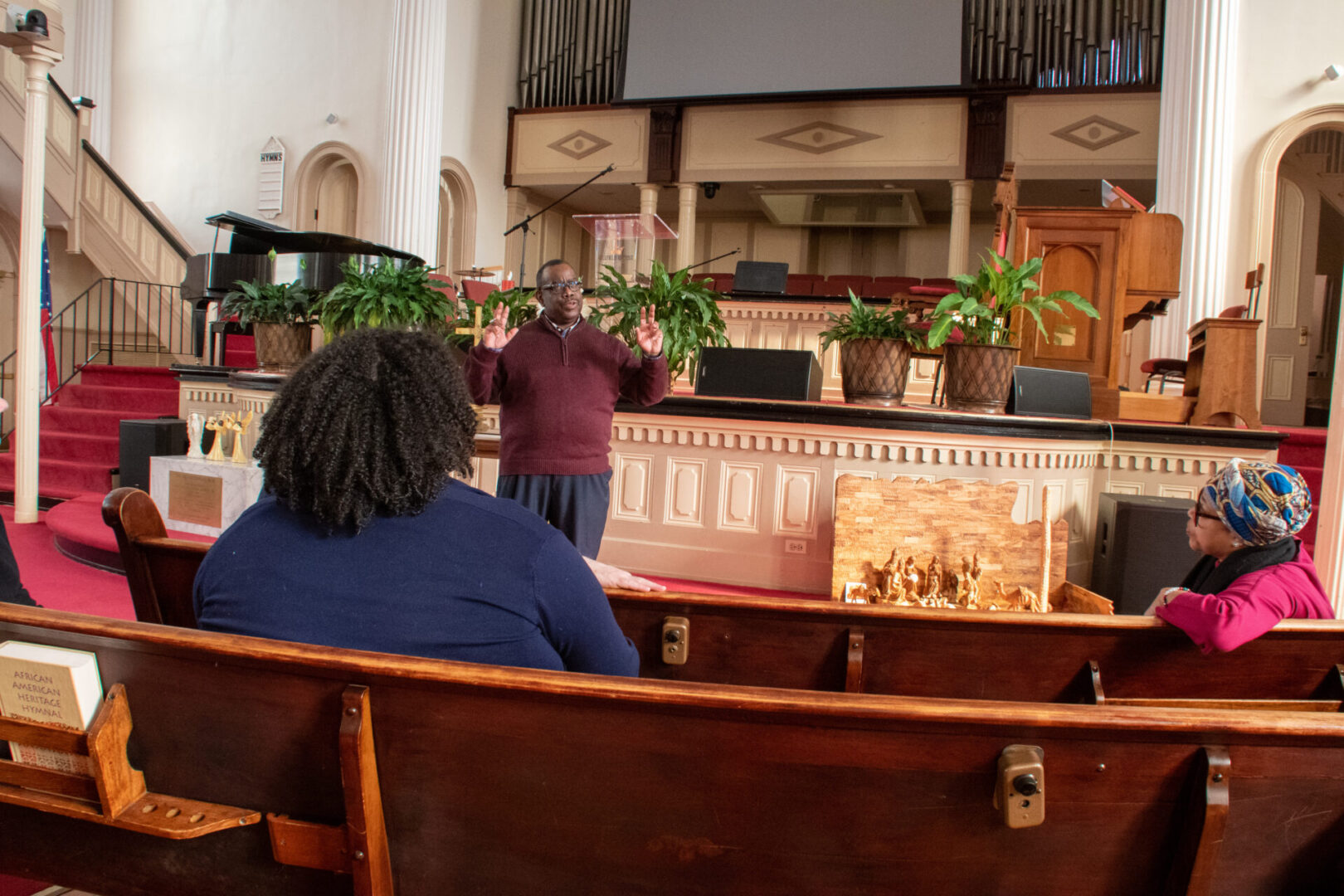
Religious Freedom Immersion Experience
Encouraging students and life-long learners to reflect on religious liberty through creative engagement.
-
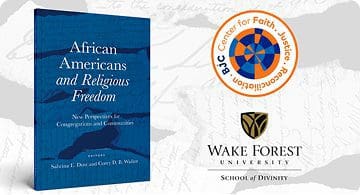
African Americans and Religious Freedom Book
Explore novel interpretations of religious freedom informed by African American culture, history, ideas and religious experiences.
Center Thought Leadership.
Articles, statements, and commentary from the BJC Center for Faith, Justice and Reconciliation.
 Press Release
BJC Center for Faith, Justice and Reconciliation Responds to the Louisiana v. Callais Supreme Court Decision
April 30, 2026
The right to vote is foundational to democracy and inseparable from human dignity. For people of all...
Read More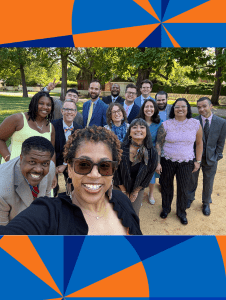 Magazine
A decade of difference-makers
December 29, 2025
This year, BJC celebrated the 10th anniversary of the BJC Fellows Program, gathering members of the...
Read More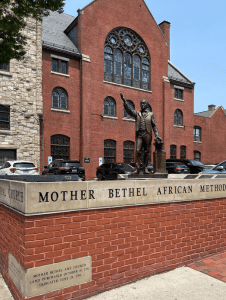 Magazine
Erasure, faith, and the story America will not tell this 4th of July
December 23, 2025
"As the nation prepares for its 250th anniversary, we must remember Richard Allen and the underlying...
Read More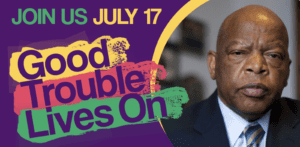 Magazine
Good trouble lives on at the BJC Center for Faith, Justice and Reconciliation
September 19, 2025
"Honoring John Lewis means not only remembering his words but living them — getting into “good...
Read More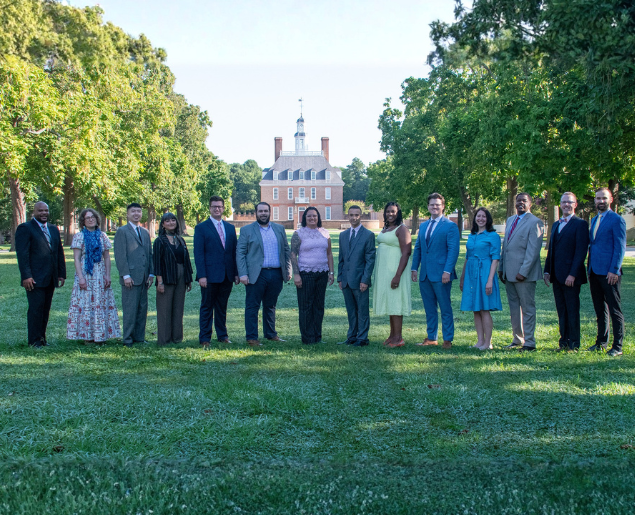 Magazine
2025 BJC Fellows Seminar brings number of advocates to 100
September 19, 2025
Over five hot summer days in 2025, 14 BJC Fellows participated in sessions on Christian nationalism,...
Read More Press Release
BJC announces the 2025 class of BJC Fellows
August 1, 2025
A dynamic group of young professionals are preparing themselves for a lifetime of advocacy at the...
Read More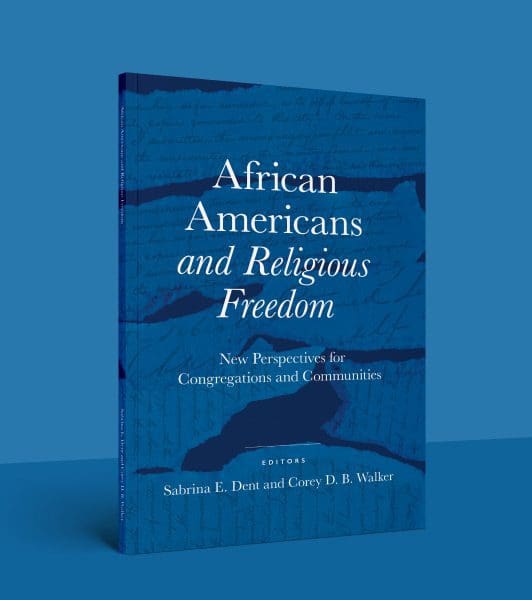 Magazine
‘African Americans and Religious Freedom’ aims to get readers on same page concerning democracy
March 26, 2025
At an event launching the second edition of 'African Americans and Religious Freedom: New...
Read More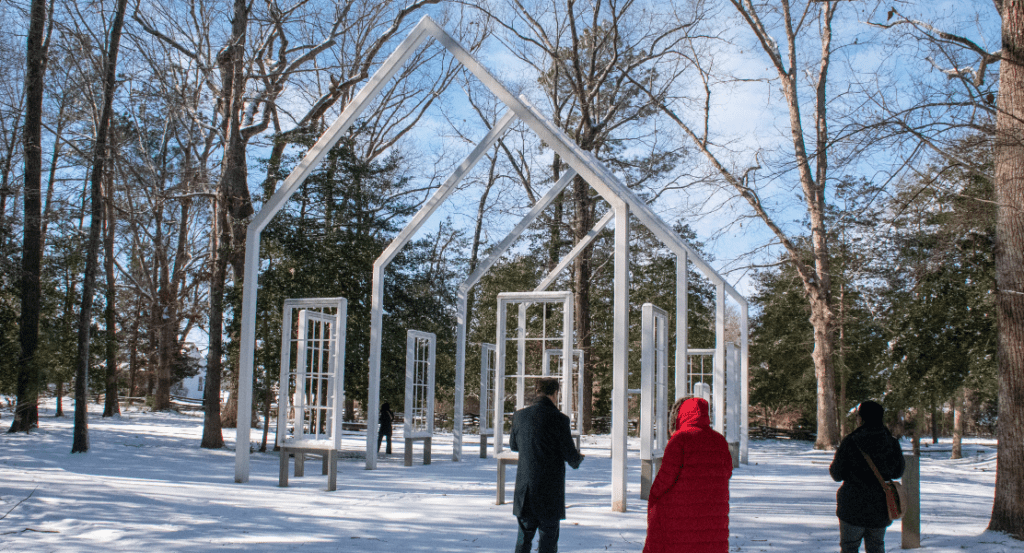 Magazine
Finding the missing cups at Polegreen
March 24, 2025
“The fight for religious freedom is not a silent fight — it requires standing tall in spaces that...
Read More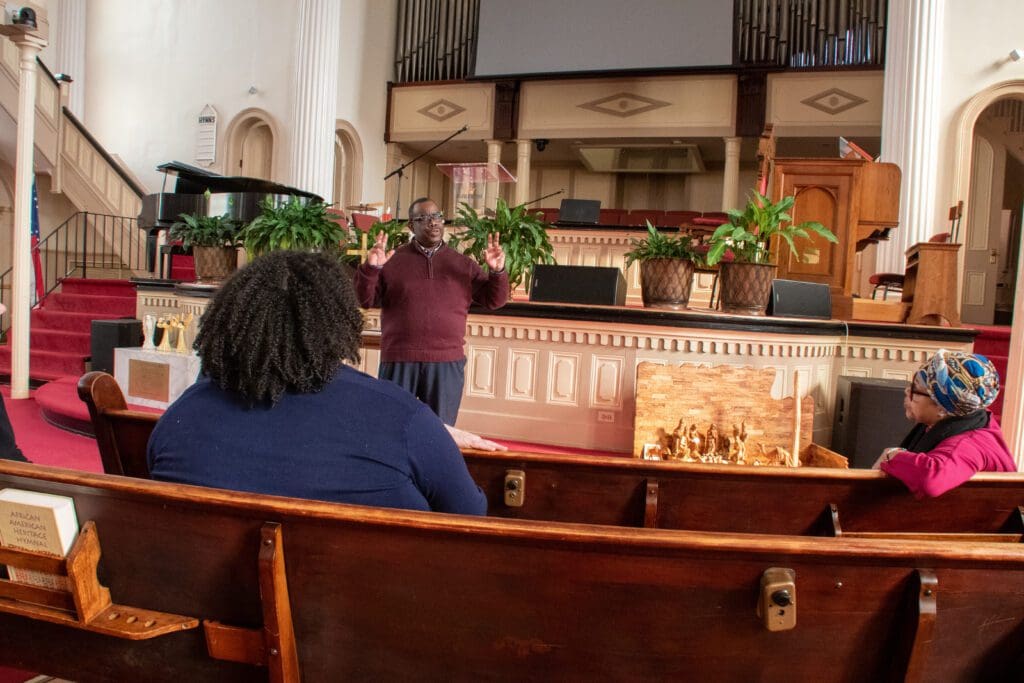 Magazine
Immersing ourselves in religious freedom
March 24, 2025
Dr. Sabrina E. Dent recaps the inaugural Religious Freedom Immersion Experience, a new program...
Read More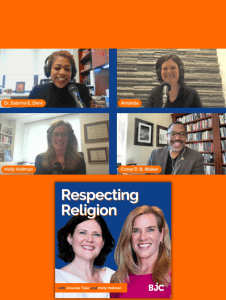 Podcast
S6, Ep. 11: African Americans and Religious Freedom
March 20, 2025
Podcast Dr. Sabrina E. Dent and Dr. Coery D.B. Walker join Amanda and Holly to discuss the need to...
Read More
Press Release
Free resource reframes religious freedom through African American culture, history, ideas and religious experiences
February 28, 2025
The second edition of 'African Americans and Religious Freedom: New Perspectives for Congregations...
Read More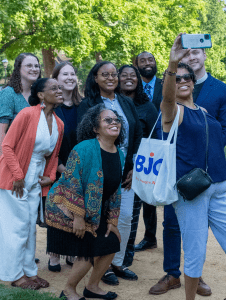 Press Release
BJC announces 2024 class of BJC Fellows
August 14, 2024
BJC is excited to introduce the 2024 BJC Fellows, our newest group of emerging leaders dedicated to...
Read More
Magazine
The evolution of voting rights in the United States
April 2, 2024
Religious freedom is not possible without personal freedom, and our rights are interconnected. The...
Read More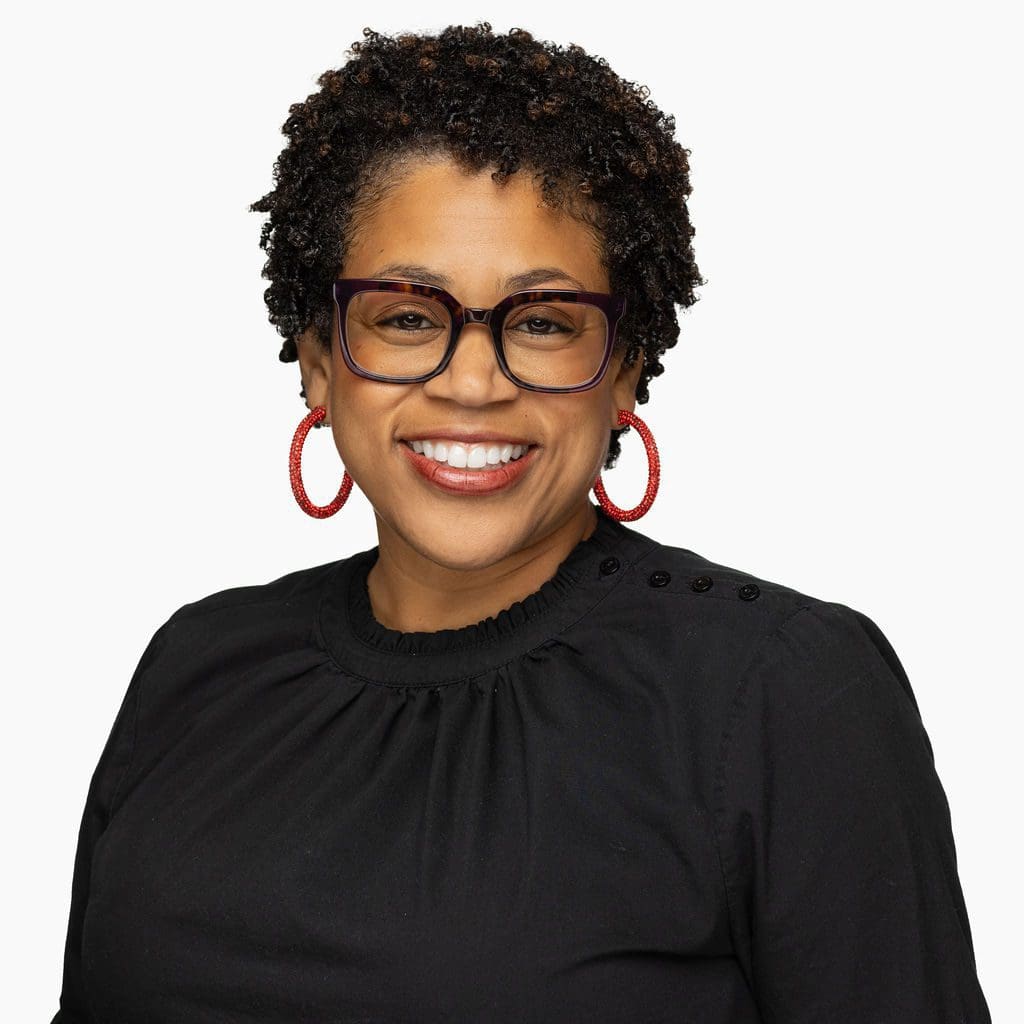 Magazine
Protecting voting rights is a matter of human dignity and justice
April 2, 2024
"We must not cower to the threats of voter intimidation, suppression and discrimination. Instead, we...
Read More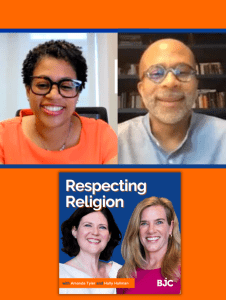 Podcast
S5, Ep. 15: Black America’s changing religious landscape
February 8, 2024
Much is said and assumed about the religious landscape of Black America, but it’s more diverse than...
Read More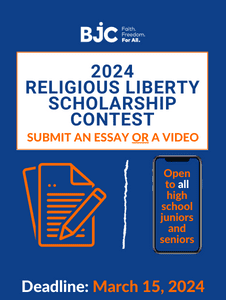 Press Release
BJC scholarship contest expands with video category
January 3, 2024
BJC's annual Religious Liberty Scholarship Contest returns this year in an expanded format, aiming...
Read More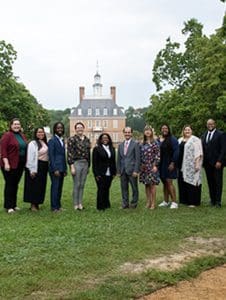 Press Release
BJC announces 2023 class of BJC Fellows
August 17, 2023
Meet the 2023 class of BJC Fellows, our latest cohort of young professionals who are rising to new...
Read More
Press Release
BJC Center for Faith, Justice and Reconciliation marks new chapter for organizations
March 6, 2023
BJC is proud to announce its acquisition of the Center for Faith, Justice, and Reconciliation, an...
Read MoreThe Right to Vote
Religious freedom is not possible without personal freedom, and our rights are interconnected. The right to vote and the importance of free and fair elections allow us to have a functioning system of government that protects our rights, including our right to religious freedom. The BJC Center for Faith, Justice and Reconciliation encourages you to think about how you can use your freedom to protect other freedoms — as well as others’ freedoms.
Here are a few resources and articles from the Center about voting rights election readiness.
-
The evolution of voting rights in the United States
See the progress and setbacks to voting rights throughout our history in this timeline, first published in our spring 2024 magazine.
-
Protecting voting rights is a matter of human dignity and justice
We must reaffirm the right to vote as a right to dignity and acceptance in our democracy. Read Dr. Sabrina Dent’s story, first published in 2024.
-
Christian nationalism drives voter suppression efforts
Supporters of religious freedom and the separation of church and state must work together to protect democracy and all Americans’ right to vote.


History
History of the BJC Center for Faith, Justice and Reconciliation.
The Center was born out of the heritage of Baptist Theological Seminary at Richmond (BTSR), which opened its doors in 1991. BTSR’s partnerships as a member of the multi-racial and ecumenical Richmond Theological Consortium were a vital part of its mission and identity. Other members of the Consortium include the Samuel Dewitt Proctor School of Theology at Virginia Union University (a historically Black seminary founded by American Baptists), as well as Union Theological Seminary and Presbyterian School of Christian Education (which later merged to form Union Presbyterian Seminary).
In 2018, BTSR’s board realized being a freestanding institution was no longer viable, due to shifts in the church and in theological education. Out of merger talks with several theological institutions, the vision of establishing a Center for Faith, Justice, and Reconciliation emerged. The Center was incorporated in October 2019, with Dr. Corey D.B. Walker in the unpaid role of president.
In January 2022, the Center hired Dr. Sabrina Dent as the first full-time president. In 2023, the Center joined with BJC and became the BJC Center for Faith, Justice and Reconciliation, bringing its educational programs to advance justice and build cultures for reconciliation into partnership with BJC’s mission to extend and defend religious freedom for all.
Honest Look at History
BJC’s Project on Race and Religious Freedom
Throughout our eight decades, BJC confesses and acknowledges that our table has not always been an inclusive place where everyone has been welcomed or made to feel at home.
-
In 2019, BJC appointed a Special Committee on Race and Religious Liberty to study BJC’s past. We have been a group of white and Black Baptist denominations committed to protecting faith freedom for all. But, how welcome were Black Baptists at the BJC Board table, which was predominantly white? How well did BJC listen about Black concerns for freedom when they most could have used the power of BJC’s privileged allyship and advocacy?
That committee launched BJC’s Project on Race and Religious Freedom, reimagining our mission at the intersection of race and religious freedom and knowing that religious freedom is not possible without physical freedom.
-
The Project is an intentional effort to engage with and learn from experts with diverse backgrounds. It involves taking an honest look at our history and working to create and produce materials that train our staff and can be shared with churches, educators and student groups. This is an ongoing project for BJC.
Our Partners

Advisory Council for the BJC Center for Faith, Justice and Reconciliation
- Rahmah Abdulaleem, co-chair of the Religious Freedom Committee of the American Bar Association, Section of Civil Rights and Social Justice
- PJ Andrews, Race Discourse Officer, Baha’is of the U.S. Public Affairs Office
- Brad R. Braxton, President and Professor of Public Theology, Chicago Theological Seminary and Founding Senior Pastor, The Open Church
- Linda McKinnish Bridges, Director of Corporate and Foundation Relations, Salem College and Former President and Founding Faculty Member, Baptist Theological Seminary at Richmond
- Harmeet Kaur Kamboj, interfaith educator, public scholar, organizer and performing artist
- Bill J. Leonard, Founding Dean and Professor of Divinity Emeritus, Wake Forest University School of Divinity
- Keisha E. McKenzie, Public Strategist and Director, McKenzie Consulting Group
- Anthony B. Pinn, Agnes Cullen Arnold Distinguished Professor of Humanities and Founding Director, Center for Engaged Research and Collaborative Learning
- Tahil Sharma, Regional Coordinator for North America at United Religions Initiative
- Corey D. B. Walker, Dean, School of Divinity and Wake Forest Professor of the Humanities, Wake Forest University
- Bill Wilson, Director, Center for Healthy Churches and Former Chair, Board of Trustees of Baptist Theological Seminary at Richmond
Support Our Work. Make an Impact.
Your support helps advance the work of protecting religious freedom for all. Together, we can continue advocating in the courts, with Congress and in communities across the country.
Additional resources
-
Black Religious Liberty Curriculum
Provided by the Columbia Law School Law, Rights & Religion Project, this video series features interdisciplinary scholars in conversation on topics at the intersection of race, religion, and the law.
-
Black America's Changing Religious Landscape
Dr. Sabrina Dent and Dr. Anthony Pinn join Holly Hollman for a conversation on misconceptions and how they brought together Black Church leaders and Black nontheists for key conversations in 2024.